Centralisation of IT Resources in a Multi-Branch Structure: A Practical Approach to Improving Manageability

A branched structure of an enterprise or state institution always creates an additional burden on the management system. Each branch forms its own IT infrastructure, accumulates local databases, and uses different approaches to accounting and document management. As a result, management faces information fragmentation, delays in receiving reports, and increased costs for supporting heterogeneous systems.
The lack of a centralised approach leads to function duplication, uncontrolled growth of server equipment, and complexity in administering the corporate network. Each territorial unit effectively becomes a separate IT node with its own regulations and technical solutions. This complicates the implementation of a unified information security policy and data access control.
From a management perspective, the centralisation of IT resources is a prerequisite for improving an organisation's manageability. Unified information processing standards, standardised electronic document management regulations, and centralised monitoring ensure process transparency. Management gains operational access to consolidated information regardless of the geographical location of the units.
A centralised model allows for the introduction of clear rules for access rights differentiation, the creation of a unified reference space, and the assurance of consistency in management decisions. An important aspect is also the reduction of document approval time between branches through the implementation of a corporate electronic document management system.
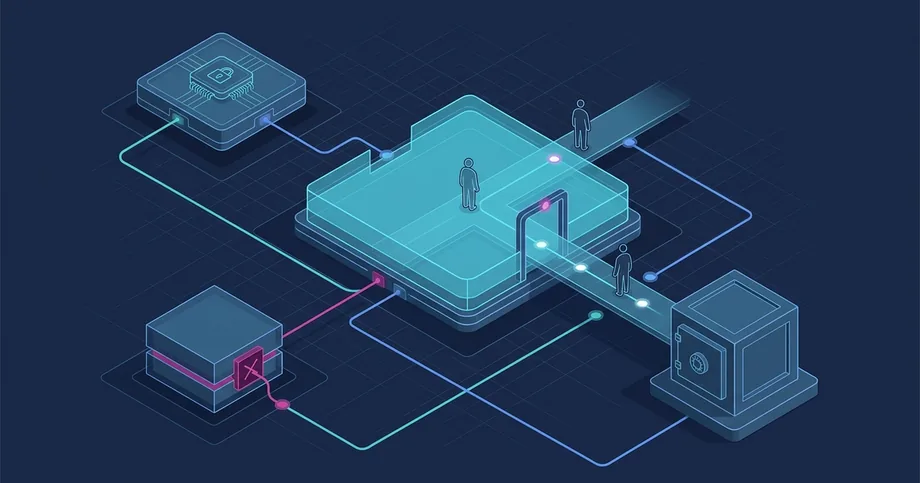
The technical implementation of centralisation involves deploying the main server node at the head office with the organisation of secure communication channels to territorial units. The use of centralised database servers and file storage allows for reducing the number of local servers in branches and simplifying administration.
Special attention is paid to building a corporate network that considers information security requirements. Firewall configuration, network segmentation, and data backup are mandatory components of the project. This ensures business continuity even in the event of technical failures in individual units.
Integrating existing information systems into a unified environment makes it possible to avoid data duplication and reduce the risk of errors during manual data entry. A crucial component is also the phased migration of functionality from local solutions to a centralised complex without interrupting the institution's current operations.
The practical advantages of centralisation are evident in reduced technical support costs, decreased need for redundant equipment, and simplified software updates. A single administration centre allows for quicker response to incidents and implementation of changes across the entire organisation.
Beyond the economic effect, centralisation contributes to increased discipline in adhering to regulations. Document version control, automation of approval workflows, and logging of user actions create a transparent mechanism for managing internal processes.
A systematic approach to centralising IT resources in a multi-branch structure forms the basis for stable and predictable organisational operations. Unification of the technological platform, streamlining information flows, and ensuring data protection become key factors in the effectiveness of a large enterprise or state institution.
LLC IQUSION IT offers comprehensive solutions for IT infrastructure centralisation, including auditing existing systems, developing corporate network architecture, implementing electronic document management, and ensuring information security, taking into account the specifics of multi-branch structures.