Evolution of Corporate Systems: 2014 Year in Review
Throughout 2014, corporate information systems in many organisations underwent a phase of qualitative development — from local solutions to integrated management platforms. The growing demands for process transparency, control over task execution, and data consistency necessitated a review of approaches to IT infrastructure architecture.
In this summary review, IQusion specialists generalise the results of implemented corporate system modernisation projects and analyse key development trends: electronic document management integration, HRM solution implementation, internal portal scaling, and expansion of analytical modules. The material is based on practical experience working with organisations across various industries and considers the specifics of a regulated environment.
Consolidation of the Information Circuit
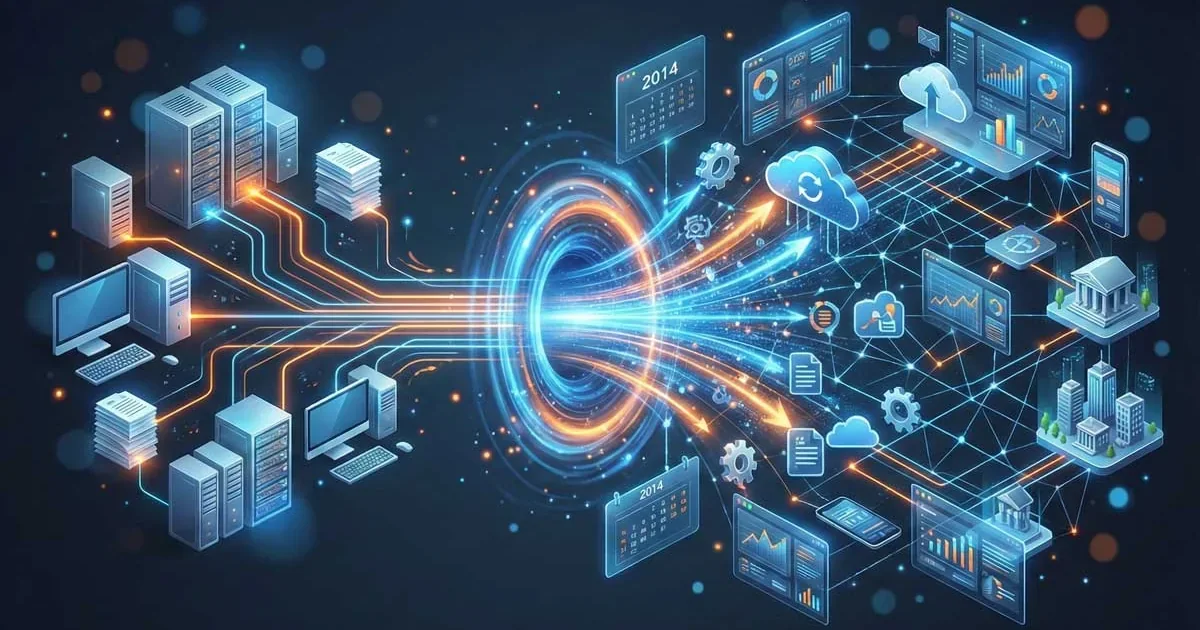
One of the main trends of the year was the consolidation of disparate information systems into a single managed circuit. The integration of HR, management, and document modules helped reduce data duplication and improve the reliability of management information.
Many projects implemented directory synchronisation, user role unification, and centralised access control. This laid the groundwork for further development without the need for a radical infrastructure overhaul.
Development of Analytical Tools
An important direction was the implementation of analytical modules in electronic document management and human resource management systems. Generating reports on execution deadlines, departmental workload, and process dynamics provided management with tools for operational control.
The accumulation of structured data throughout the year created prerequisites for a deeper analysis of the organisational model's effectiveness and regulation optimisation. Analytics is gradually becoming an integral component of corporate systems.
Increased Stability and Scalability
Particular attention was paid to modernising the infrastructure component: implementing virtualised environments, server resource redundancy, and improving backup mechanisms. These measures ensured continuous system operation even under increased load.
Scaling of internal portals and service modules was carried out considering the distributed structure of organisations, which allowed maintaining process manageability in multi-level management models.
Systemic Development with IQusion
IQusion continues to adhere to an architectural approach to corporate system development, combining the modernisation of individual modules with the formation of a holistic integrated platform. The company conducts a phased analysis of achieved results, plans further functional expansion, and adapts solutions to industry requirements.
The year's results confirm the expediency of systemic modernisation as a basis for the stability and long-term development of an enterprise's IT infrastructure. A consistent approach to integration and unification creates prerequisites for the further evolution of the corporate environment.