Fault-tolerant Data Centres: Standards for Redundancy and Operation

The expansion of state electronic services and the integration of interdepartmental registers have tasked IT departments with ensuring the guaranteed availability of critical information systems. After the rapid deployment phase of previous years, the key priority has become the streamlining of infrastructure and its transition to stable industrial operation with clearly defined redundancy standards.
This implementation review summarises the experience of building and modernising fault-tolerant data centres for the public sector. It examines approaches to organising backup sites, operational regulations, disaster recovery procedures, and integration with existing information platforms.
Architectural Principles for Building Redundant Sites
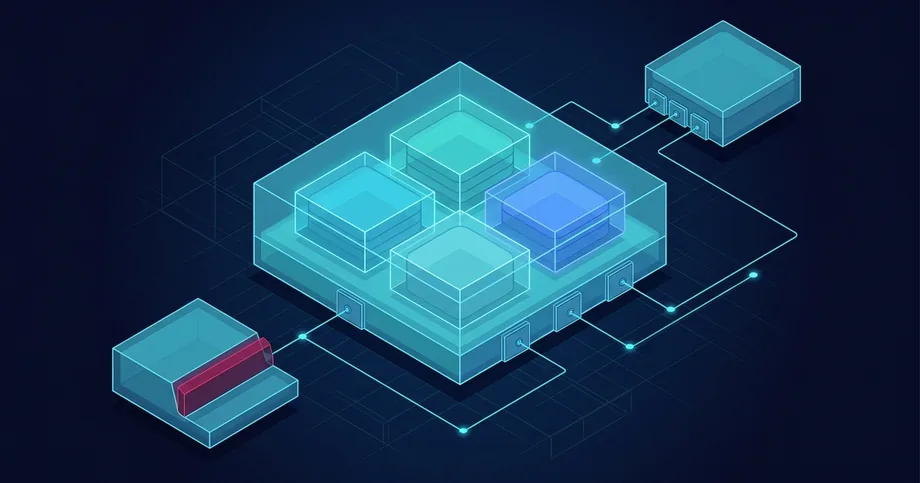
In 2016, the formation of fault-tolerant data centres is based on a combination of server resource virtualisation, application system clustering, and duplication of key infrastructure components. The main focus is on separating logical environments, network segmentation, and implementing centralised configuration management.
A typical model involves primary and backup sites with database synchronisation and replication of critical services. This uses a distributed architecture, which allows for automatic redirection of the load without interrupting user operations in the event of a node or segment failure.
LLC IQUSION IT, in its 2016 projects, applies a phased modernisation approach, where existing infrastructure is integrated into a cluster model without interrupting key state services. This minimises risks during the transition to a new architecture.
Redundancy Standards and Recovery Procedures
Under increased security requirements, regulated backup becomes particularly important. Multi-level data storage schemes are introduced: operational copies, archival reserves, and remote storage within private data centres. All procedures are documented in the customer's internal regulations.
IQusion implements standardised disaster recovery scenarios, which include testing failover to a backup site, verifying data integrity, and logging administrator actions. Regular training exercises confirm the systems' readiness for emergency situations.
An important element is the auditing of user and administrator actions, as well as centralised monitoring of infrastructure indicators. This ensures operational control and allows for prompt response to deviations from normative parameters.
Integration with State Information Systems
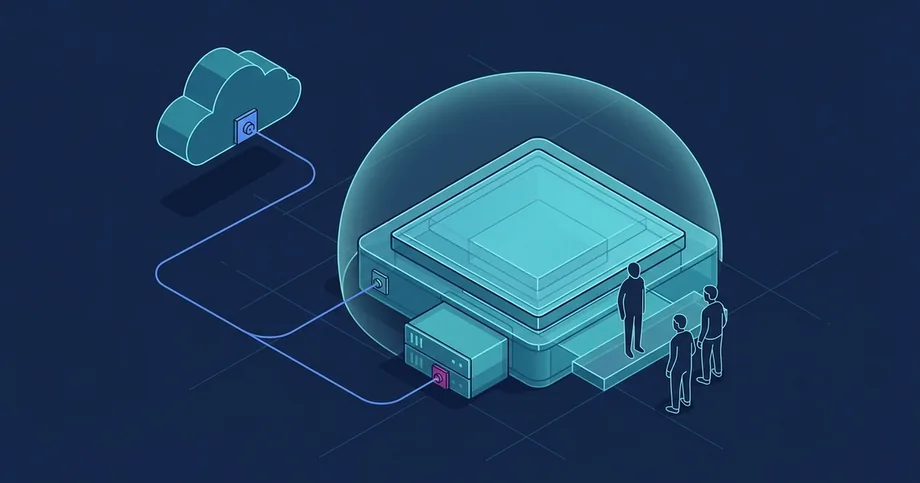
In 2016, a fault-tolerant data centre is considered not as an isolated infrastructure, but as part of an integration platform that ensures data exchange between registers and information systems of various departments. API gateways, secure communication channels, and access control mechanisms are used for this purpose.
After the active phase of the conflict and taking into account the experience of 2014–2015, special attention is paid to network segment isolation, the implementation of encrypted channels, and restricting administrative access to critical resources. This increases resilience to external and internal threats.
Distributed data centres form the basis for further data consolidation and the deployment of new services without radical architectural restructuring. This approach ensures development flexibility while maintaining technological discipline.
Long-term Operational Model and Scaling
The transition to standardised redundancy models allows public institutions to plan infrastructure development several years in advance. Clearly defined regulations for equipment updates, reserve checks, and configuration management create a predictable operating environment.
LLC IQUSION IT views fault-tolerant data centres as the basis for further integration of new information modules, expansion of electronic document management, and implementation of additional analytical components. Scaling occurs in a controlled manner, without disrupting the continuity of public service provision.
In conclusion, the redundancy and operational standards established in 2016 lay the foundation for the stable operation of state information systems. They combine architectural integrity, regulated procedures, and readiness for further integration within a long-term digital development strategy.