Consolidation of Government Registries: Architectural Approaches of 2016

The expansion of electronic services and the increase in interdepartmental data exchange volumes revealed the limitations of the fragmented model of state register operation. After a period of rapid creation of separate information systems, the task arose of their systemic integration and architectural streamlining, taking into account stable operation requirements.
This analytical review summarises the experience of consolidating government registries using integration platforms, clustered infrastructure, and centralised access management. Approaches to data format unification, ensuring fault tolerance, and formalising interdepartmental interaction are considered.
Architectural Model of the Consolidated Environment
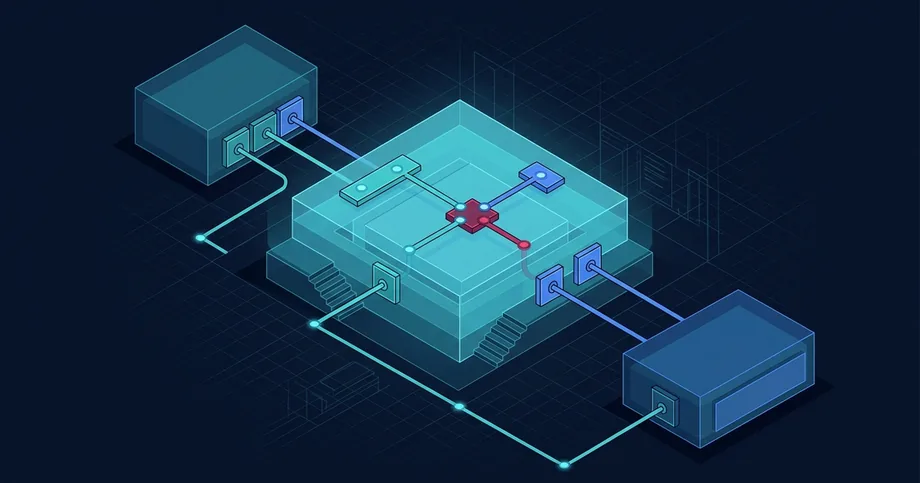
In 2016, the consolidation of registers does not imply their physical merger into a single database. The main focus is on creating an integration circuit that ensures standardised information exchange between autonomous systems via API gateways and integration platforms.
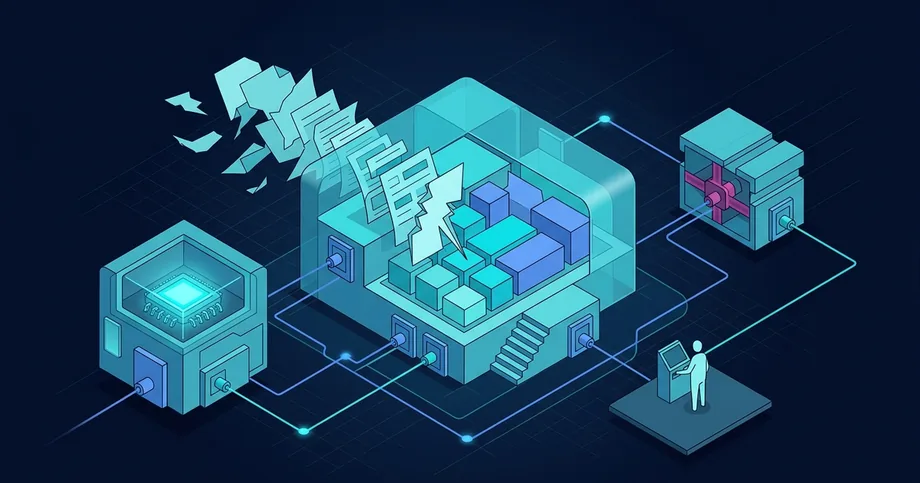
LLC IQUSION IT in state-level projects applies a service-oriented architecture (SOA), where each register maintains its own logic and data model but interacts through regulated interfaces. This approach avoids information duplication and preserves each department's responsibility for its resource.
Clustering of server solutions and infrastructure virtualisation ensure the scalability and fault tolerance of the integration circuit. This creates the technical basis for the stable operation of the consolidated environment.
Unification of Formats and Data Quality Control
Consolidation requires the harmonisation of exchange formats and information structuring standards. In 2016, unified interaction protocols, message schemas, and data validation rules are being implemented, which reduces the risk of errors during interdepartmental exchange.
IQusion implements mechanisms for logging requests and responses, which allows auditing the correctness of information transfer. Operation logs are integrated with the client's corporate analytical modules for further control and reporting.
Centralised monitoring of integration flow performance enables timely identification of bottlenecks and planning of resource expansion without disrupting the stable operation of registers.
Security and Regulated Interaction
In the context of ongoing security threat, special attention is paid to the isolation of registers and network environment segmentation. Data access is carried out exclusively through secure channels with multi-level control of user and system rights.
LLC IQUSION IT accompanies technical consolidation with the development of internal access regulations, agreed upon by interested parties. Formalisation of procedures allows for clearly defining responsibility for information processing and updating.
Phased connection of new registers to the integration circuit is carried out with testing in a separate environment. This approach ensures controlled functional expansion without risk to existing services.
Long-term Development Strategy for Consolidated Systems
The architectural approaches of 2016 form the basis for a gradual transition from disparate systems to a managed ecosystem of government registries. Preserving the autonomy of components combined with standardised integration ensures flexibility for further development.
IQusion views consolidation as a continuous process that involves regular auditing of interfaces, updating exchange standards, and planned infrastructure modernisation. This model supports technological discipline and operational predictability.
In summary, the consolidation of government registries in 2016 signifies a transition to systemic data management, increased transparency of interdepartmental interaction, and the creation of a stable architectural platform for further integration of electronic services.