Digital transformation of public administration: how Megapolis.DocNet boosts efficiency

The efficiency of a public institution largely depends on how quickly it processes documents. It is documents that record management decisions, initiate task execution, facilitate approvals, and generate official reporting.
When core processes remain paper-based, this complicates control, slows down approvals, and creates an additional burden on employees. Therefore, the transition to electronic document management systems has become one of the fundamental stages in the digital transformation of the public sector.
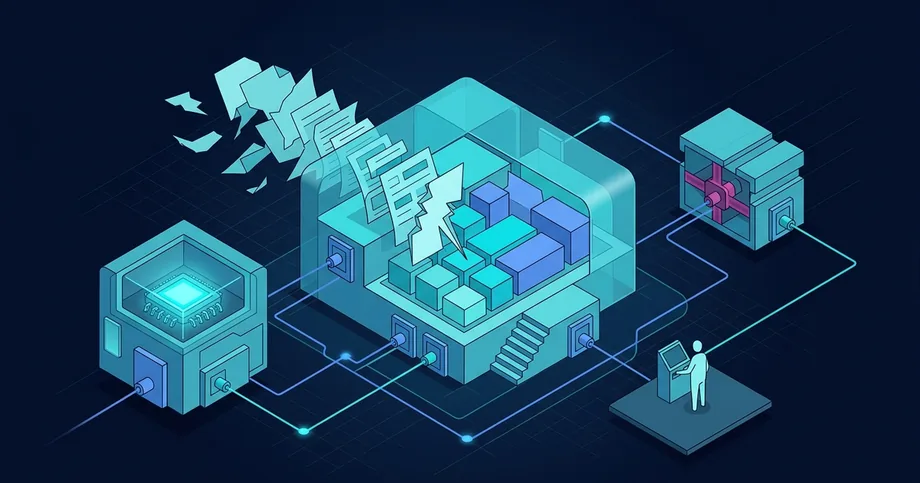
\r\n\r\nMegapolis.DocNet is an electronic document management and business process automation platform that helps organise the complete document lifecycle within a single digital environment.
\n\r\n\r\nThe document as the foundation of the management process
\r\n\r\nIn the public sector, a document is not just a file or a sheet of paper. It is a legally binding unit of management linked to specific actions, deadlines, assignees, and accountability.
\r\n\r\nThis is why a modern electronic document management system must not only store documents but also manage their flow. In Megapolis.DocNet, a document goes through its complete lifecycle in a digital format — from creation or registration to approval, signing, execution, and archival storage.
\r\n\r\nWhat electronic document management brings to an institution
\r\n\r\nTransitioning to an electronic system makes document operations more manageable and transparent. Instead of paper folders and manual tracking, an institution gains a single environment where all stages of the process are recorded and monitored.
\r\n\r\n- \r\n
- fast document registration and convenient work with electronic profile cards; \r\n
- approval workflows aligned with internal regulations; \r\n
- monitoring of task execution deadlines; \r\n
- signing documents using QES; \r\n
- storing the history of changes and user actions; \r\n
- searching for documents by metadata, content, and related data. \r\n
As a result, management gains better visibility into processes, while employees receive a clear and structured tool for their daily work.
\r\n\r\nProcess automation, not just file storage
\r\n\r\nA modern EDMS is no longer just an electronic archive in the traditional sense. It combines document management with process management. This means the system not only stores information but also helps organise approvals, task execution, and monitoring.
\r\n\r\nFor an institution, this is particularly important as most internal procedures are directly linked to documents: memos, orders, letters, resolutions, contracts, and reports. When these processes are automated, manual actions are reduced, and the risk of delays and errors decreases.
\r\n\r\nTransparency and control
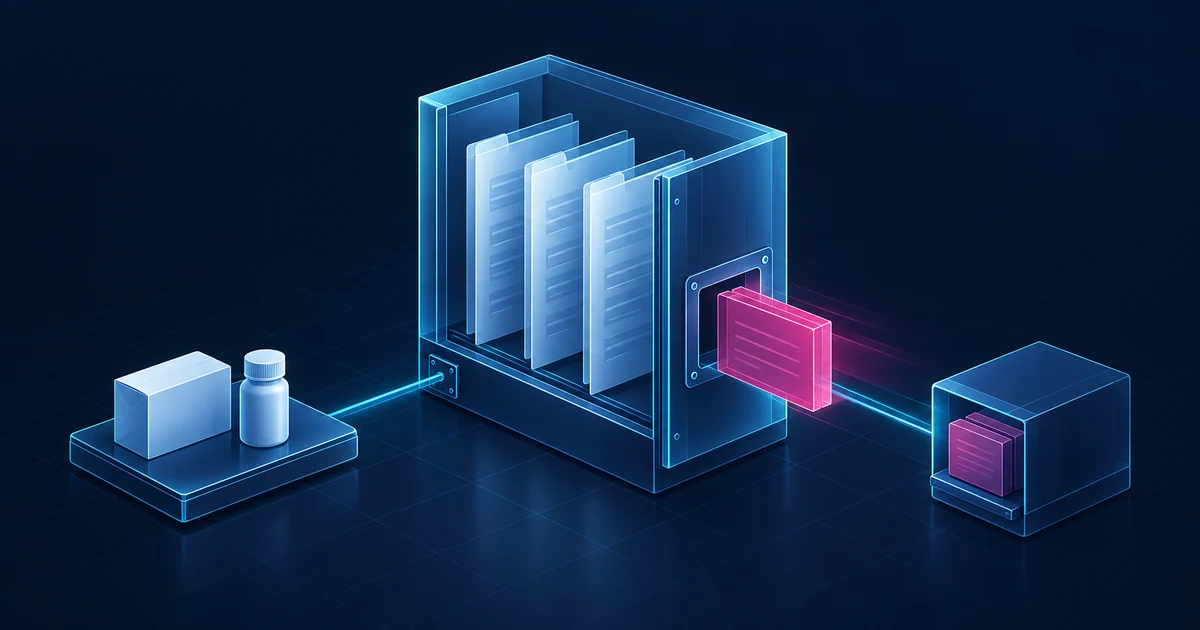
\r\n\r\nOne of the key benefits of electronic document management is the ability to see the real-time execution status of documents and tasks. The system records who created a document, who approved it, what stage it is currently at, and where any delay has occurred.
\r\n\r\nThis improves executive discipline, simplifies internal control, and provides management with up-to-date information for making administrative decisions.
\r\n\r\nIntegration with other systems
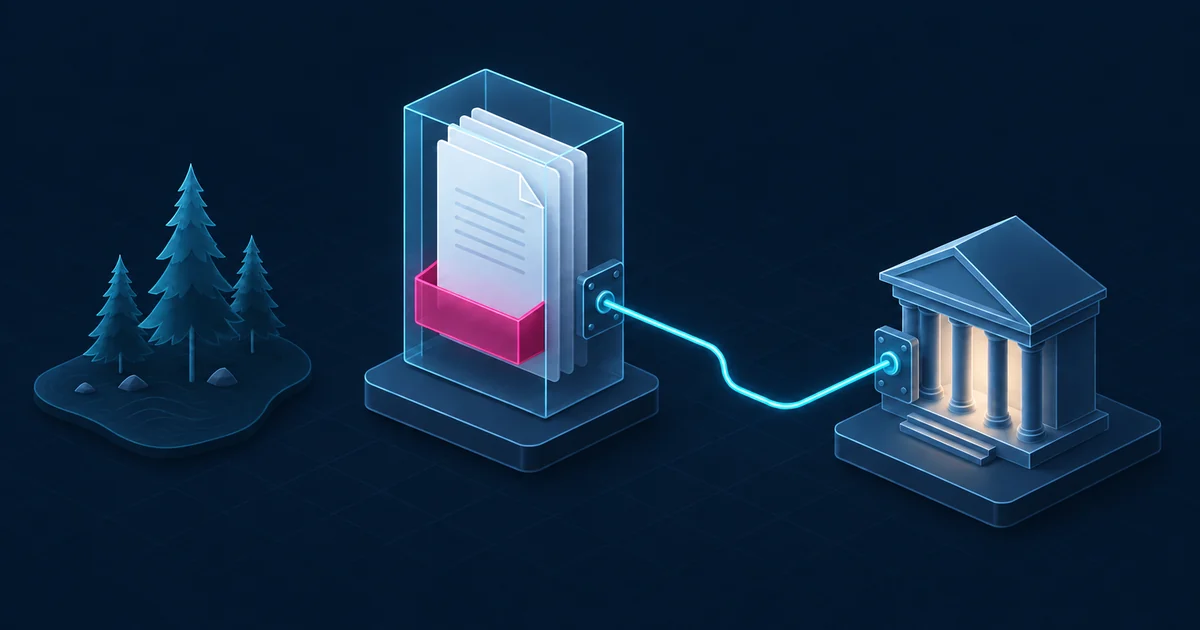
\r\n\r\nFor a modern institution, it is essential that the document management system does not operate in isolation but as part of the overall digital infrastructure. That is why a major advantage of Megapolis.DocNet is its ability to integrate with other information resources and external services.
\r\n\r\nThis includes, in particular, interaction with other electronic document management systems, corporate platforms, as well as using an open API to connect additional solutions according to the institution's needs.
\r\n\r\nScalability for large organisations
\r\n\r\nIn government bodies and large institutions, the volume of documents can be very significant, with hundreds or thousands of users. Under such conditions, it is crucial that the system remains stable, fast, and manageable.
\r\n\r\nMegapolis.DocNet is designed to handle large volumes of documents, multi-level organisational structures, and granular access permissions. This allows the platform to be used both in small institutions and within complex organisational structures.
\r\n\r\nThe foundation of digital governance
\r\n\r\nToday, an electronic document management system is not just a way to go paperless. It is a tool that helps an institution work faster, more transparently, and in a more organised manner.
\r\n\r\nImplementing Megapolis.DocNet allows a transition from fragmented document handling to a unified digital space where documents, processes, assignees, and monitoring are combined in a single system.
\r\n\r\n\r\n\r\n
The digital transformation of public administration begins with streamlining internal processes. That is why a modern EDMS is not an auxiliary tool, but one of the core elements of effective administrative work. Megapolis.DocNet helps public institutions build a manageable, transparent, and modern document workflow that meets the demands of the digital environment.
\r\n \r\n\r\n