From paper chaos to a managed process: a practical plan for digitalisation

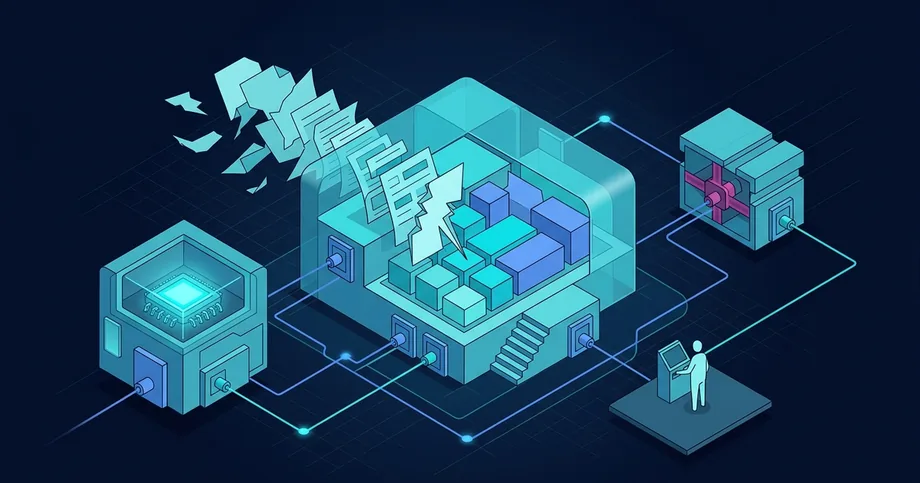
Receiving an electronic document or letter often creates the illusion of digitalisation, whereas in reality, employees continue to manually copy this data into internal accounting systems. Following this, subsequent approval steps are coordinated in corporate messengers without any recording of statuses or responsible parties. This approach does not reduce the operational burden, but merely masks inefficiency behind new interfaces.
The boundary between document digitisation and transformation
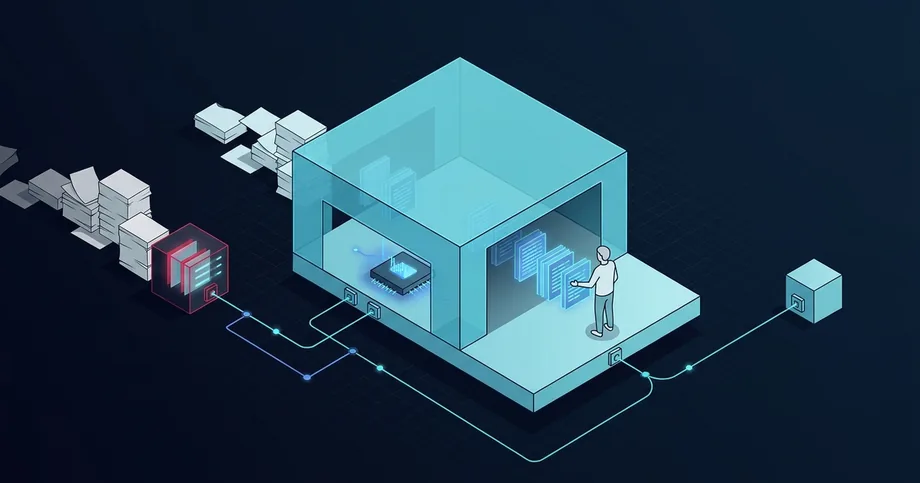
Converting a paper document into an electronic PDF format or scanning an invoice is digitisation, which means changing the information carrier. If, after this, the document follows the same long path of approvals via email, is printed for the manager's signature, and then scanned again, the business process remains unchanged.
Process transformation involves changing its structure, eliminating redundant links, and automatically moving data between systems without human intervention where technically possible. Attempting to transfer old paper regulations into a new IT system without prior analysis leads to excessive development costs and forces users to perform double work.
Mapping the current state using the BPMN 2.0.2 notation
The first step towards a managed process is building a map of the current state (As-Is). For this purpose, the international standard BPMN 2.0.2 is used, which is a formal specification for describing business processes and allows for the creation of machine-readable models. The analyst's task is to record not how the process is described in job descriptions, but how it is executed in practice.
During modelling, it is necessary to identify the real performers, actual data transmission channels, and the locations where delays occur. Special attention is paid to informal communications — telephone calls, messages in chats, and verbal agreements. All these elements indicate gaps in the organisation's information loop.
The BPMN model is a tool for describing the real state of affairs; it does not guarantee automatic optimisation or compliance with legislation without the intellectual work of an architect.
Designing the target model and automation boundaries
Designing the target process (To-Be) must rely on digital by design principles and a data-driven approach, as described in the OECD recommendations on digital maturity. This means that the new process is created from the outset to fit the capabilities of the digital environment. The process approach, supported by the ISO 9001:2015 standard, requires managing the quality system, yet does not dictate the choice of a specific IT platform.
When designing the target model, it is necessary to clearly define the automation boundaries and the process owner — an official who has the authority to make decisions regarding its modification and is responsible for the final result. All approvals that do not carry control or analytical value must be excluded. State Resolution No. 55 is an instruction for public sector institutions, so commercial companies have the right to build more flexible document routes, focusing on their own operational needs.
Data audit, integrations, and the legal validity of decisions
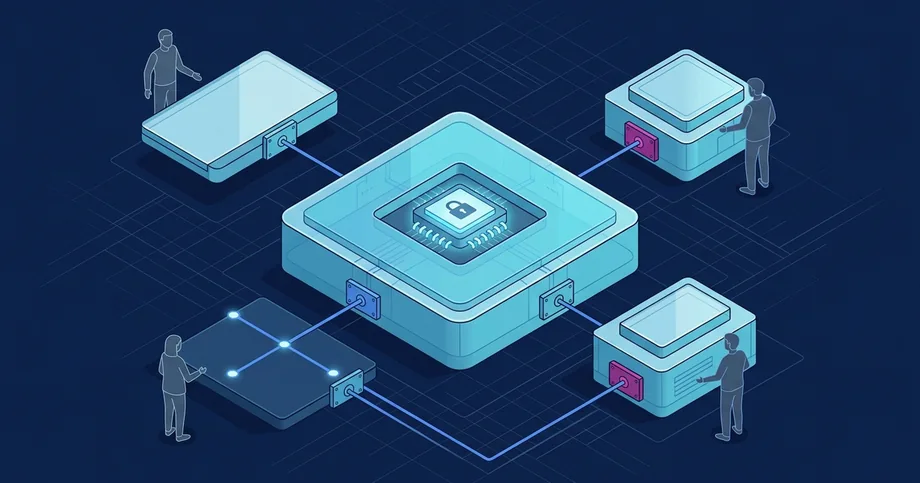
Automation will not yield the expected effect if systems do not exchange data directly. Every manual transfer of information from one program to another is a potential source of errors. The architect must conduct an audit of data entry points, identify primary sources of information, and design integration interfaces between the ERP, CRM, and the document management system.
Ensuring the legal validity of documents is a separate task. According to the Law of Ukraine No. 851-15 "On Electronic Documents and Electronic Document Management", the legal validity of a document cannot be denied solely because of its electronic form. To achieve this, the system must support the application of a qualified electronic signature (QES) and record mandatory details.
For the technical implementation of the designed processes, IQusion uses the Ukrainian low-code platform UnityBase, which allows for the creation of systems based on a domain model. Depending on the scale of the organisation, the solution is deployed on the basis of the Scriptum.DMS document management system for organising collaborative work or the Megapolis.DocNet corporate system for controlling complex routes and integrating with state registries.
Criteria for process readiness for transfer to an IT system
Before starting to configure the software, the Chief Operating Officer needs to ensure that the selected process is ready for automation. An attempt to transfer an unprepared process will lead to the scaling of inefficiency.
- Process owner defined: A specific official is responsible for the final result and has the authority to change the regulations.
- Boundaries and control points established: It is clearly recorded what triggers the process and what outcome is considered a successful completion.
- Duplication of steps eliminated: Approvals that do not bring additional value or risk control have been excluded from the chain.
- Data requirements outlined: Mandatory document details have been defined in accordance with legislative requirements, along with the sources for their automatic population.
- Integration interfaces designed: Methods for data transmission between adjacent systems have been defined to avoid manual entry.
Launching a pilot project and measuring results
The transition to the target model should not happen instantaneously for the entire organisation. A rational approach is to launch a pilot project on a limited sample — for example, automating contract approvals for only one department. This allows testing the functionality of integrations and the usability of interfaces in real-world conditions.
Evaluating the results of the pilot should be based on clear operational metrics: process cycle time and the number of data entry errors. It is advisable to avoid using abstract payback indicators in the early stages, as the real effect of implementing BPM systems becomes noticeable only after accumulating statistics and scaling the solution.
Frequently Asked Questions
How does document digitisation differ from process digitalisation?
Digitisation is the conversion of a paper document into an electronic format (for example, scanning into a PDF). Digitalisation is a change in the logic of the process itself, eliminating redundant steps and automating data transfer between systems.
Is it mandatory for private companies to use Resolution No. 55?
No, Resolution No. 55 is an instruction for state institutions. Private businesses can use it as a guideline, but they should design processes according to their own operational needs.
How to ensure the legal validity of electronic documents in Ukraine?
According to the Law of Ukraine No. 851-15, the legal validity of a document cannot be denied solely because of its electronic form. The document must contain mandatory details and be signed with a qualified electronic signature (QES).