Practical Aspects of Implementing Convergent Solutions in a Multi-Branch Structure

For enterprises with an extensive network of branches, the issue of information flow consistency became one of the key factors for stable operation in 2011. Differences in local regulations, technical infrastructure, and staff training levels often complicate centralised management. IQusion experts share their perspective on how IT can address these issues.
Decentralised Processes — Risks to Manageability
In multi-branch structures, document management, telephony, and task accounting often function autonomously in each division. This approach leads to discrepancies in document formats, varying approval times, and difficulties with reporting consolidation.
The absence of a unified information environment complicates operational control from the central office and creates risks of losing part of official information.
Management Prerequisites for Implementation
Before commencing technical work, it is important to unify internal regulations and define common rules for document routing. Convergent solutions must support centralised management while preserving the functional autonomy of branches.
Clearly defining responsible persons, execution deadlines, and task escalation procedures is a mandatory condition for successful implementation.
Architecture of an Integrated Platform
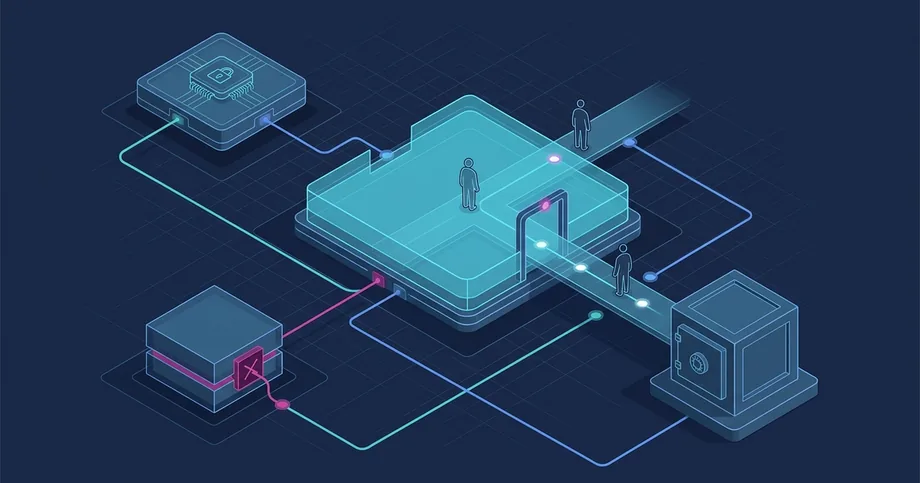
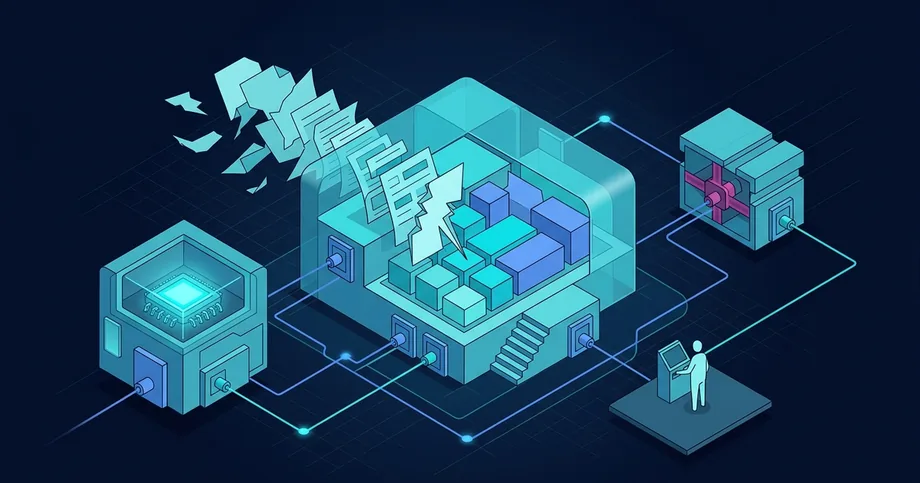
LLC IQUSION IT implements convergent solutions based on a centralised server infrastructure with the ability to connect remote divisions via secure corporate network channels. The electronic document management system integrates with internal directories, registers, and official communication tools.
The architecture provides for role-based access control, centralised data storage, and backup mechanisms. Special attention is paid to the stability of communication between the central office and branches, and the possibility of autonomous operation in case of temporary failures.
Organisational Stages of Implementation
Practice shows the expediency of a phased system launch: first in the central office, followed by connecting branches. This approach allows for refining regulations, adapting software modules, and conducting staff training.
An important factor is the formation of a unified support centre that provides methodological guidance and monitors compliance with established procedures.
Practical Results for a Multi-Branch Structure
After implementing a convergent solution, management gains the ability to promptly monitor the execution of assignments across all divisions. Document approval times are reduced, reporting transparency increases, and the number of errors associated with manual information transfer decreases.
Data consolidation in a unified environment contributes to the optimisation of server resources and the reduction of costs for supporting disparate systems.
Systemic Effect of Centralisation
The implementation of convergent solutions in a multi-branch structure forms a unified information environment for the enterprise. Branches remain autonomous in performing operational tasks but operate according to agreed-upon rules and within a common infrastructure.
This approach ensures a balance between centralised management and the flexibility of regional divisions.
IQusion offers comprehensive project support for implementing convergent solutions for multi-branch structures — from analysing existing processes to deploying server infrastructure and subsequent technical support, focusing on system stability and long-term operation.