Scaling Integration Systems Without Losing Stability

The increase in the number of electronic services and connected state registries in 2016 presented IT departments with the task of expanding integration circuits without compromising their stability. After the active phase of creating data exchange channels, the key focus shifted to streamlining architecture and ensuring controlled scaling.
This material is dedicated to practical approaches for expanding state-level integration systems while maintaining availability and operational predictability. It examines technical mechanisms for load balancing, update standards, and organisational aspects of change management.
Architectural Preparation for Expansion
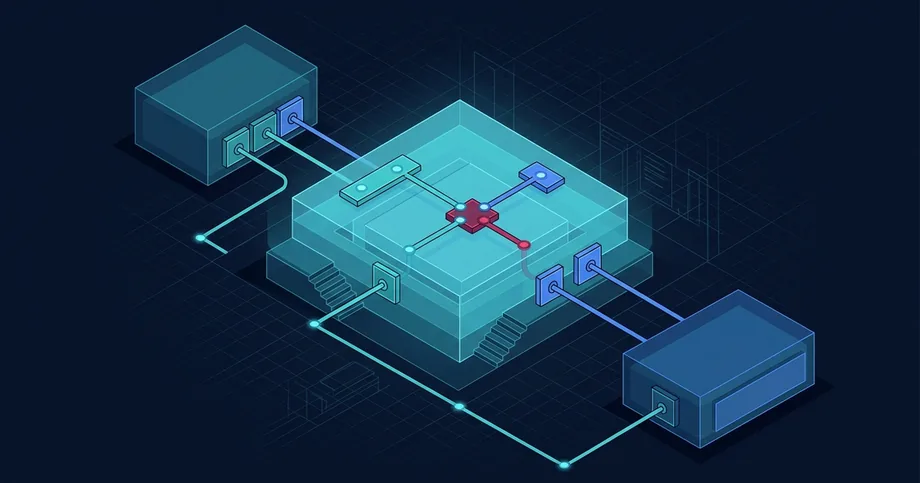
In 2016, the scaling of integration systems is carried out based on a service-oriented architecture (SOA), which allows adding new services without changing the platform's core. Integration buses and API gateways serve as routing and request control points.
LLC IQUSION IT forms a model in which each new service is connected via a standardised interface with prior testing on a separate circuit. This minimises the risk of changes affecting already functioning components.
Network segmentation and isolation of the integration environment ensure exchange stability even in the event of local failures in connected systems.
Clustering and Load Balancing
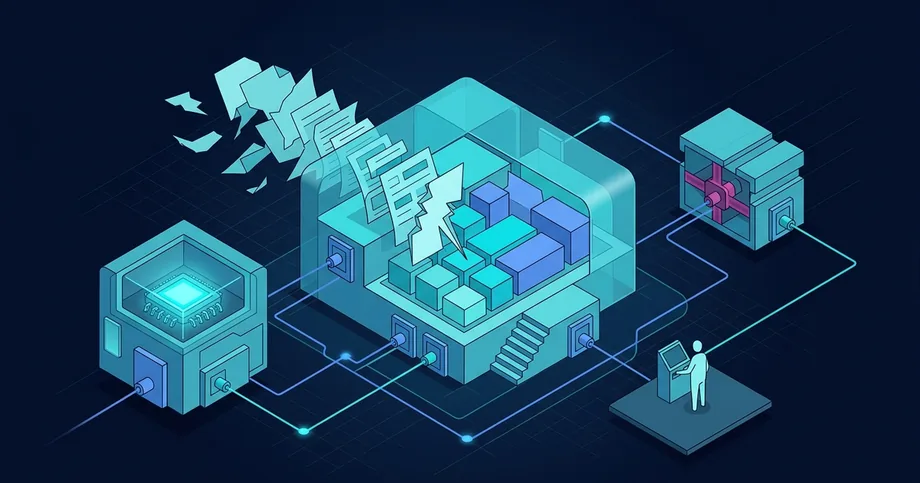
The expansion of the integration platform is based on the use of clustered server solutions with support for automatic traffic redistribution. This allows processing a growing volume of requests without performance degradation.
IQusion implements centralised monitoring of the load on integration system nodes, which allows predicting the need for additional resources. The addition of computing power occurs in stages, without a complete service shutdown.
The use of virtualisation and standardised configurations simplifies infrastructure expansion while adhering to approved security and logging parameters.
Change Control and Operational Discipline
The expansion of the integration environment is accompanied by formalised change procedures. Each new service connection is documented, undergoes compatibility verification, and is accompanied by configuration backup.
LLC IQUSION IT ensures the logging of all connections and changes in request routing. This provides the opportunity for subsequent incident analysis and confirmation of compliance with established regulations.
Multi-level access control to integration components minimises the risk of unauthorised modifications and maintains technological discipline.
Long-term Stability of the Integration Circuit
Scaling integration systems is viewed as a continuous process requiring strategic resource planning and coordinated architectural solutions. Standardisation of interfaces and centralised configuration management ensure platform integrity.
IQusion forms a development model in which the connection of new registries or services is carried out while maintaining the stability of the entire system. Controlled expansion supports the continuity of interdepartmental data exchange.
In conclusion, scaling integration systems without losing stability ensures a combination of expansion flexibility with high requirements for the availability and security of state information resources.