Server Virtualisation as a Way to Reduce IT Costs

This year, businesses and government agencies are forced to pay special attention to cost optimisation. IT infrastructure, previously considered an auxiliary element, is now becoming a significant budget item — both in terms of equipment procurement and its maintenance.
In many organisations, each information system is installed on a separate physical server. As a result, server rooms are filled with underused equipment that consumes electricity, requires cooling, and technical support.
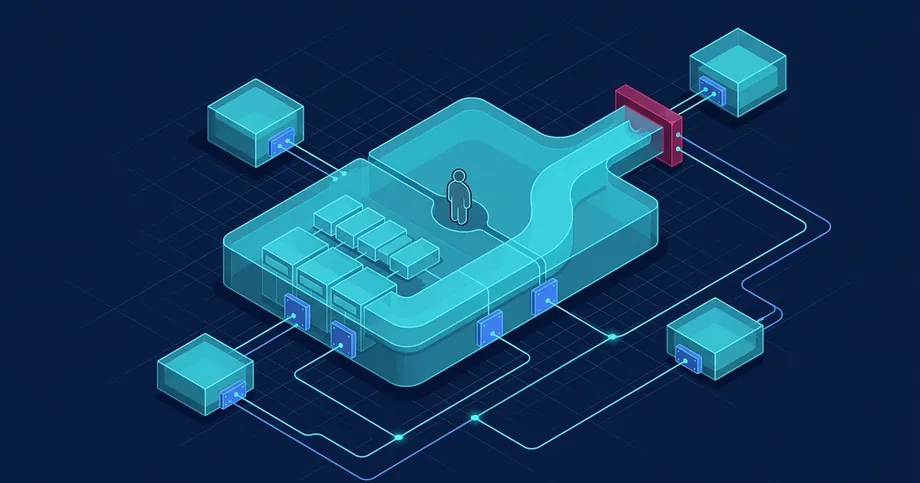
Server virtualisation allows solving this problem by consolidating several server systems on a single physical server.
The essence of the technology lies in creating several isolated virtual servers within a single hardware resource. Each virtual machine functions as a separate server with its own operating system and applications.
Key benefits of implementing virtualisation:
-
reduction in the number of physical servers;
-
reduced electricity and cooling costs;
-
more efficient use of computing resources;
-
simplified system backup and recovery;
-
rapid deployment of new information services.
In the conditions of economic instability in 2009, server consolidation allows enterprises to reduce capital expenditures on new equipment acquisition and decrease its operating costs.
Virtualisation is particularly relevant for organisations that use several internal systems: accounting software, electronic document management system, corporate portal, mail server, and other information resources.
In addition to cost savings, implementing virtualisation increases infrastructure reliability. In the event of a hardware failure, restoring a virtual server can be done significantly faster than reconfiguring physical equipment.
It is important to emphasise that the effectiveness of implementation depends on a preliminary load analysis, proper selection of server equipment, and configuration of backup systems.
LLC IQUSION IT offers comprehensive server virtualisation implementation solutions: auditing existing IT infrastructure, designing a consolidated server architecture, implementing a virtualisation platform, and subsequent technical support. This approach allows enterprises to reduce IT costs, increase the reliability of information systems, and create a foundation for further development of corporate infrastructure.