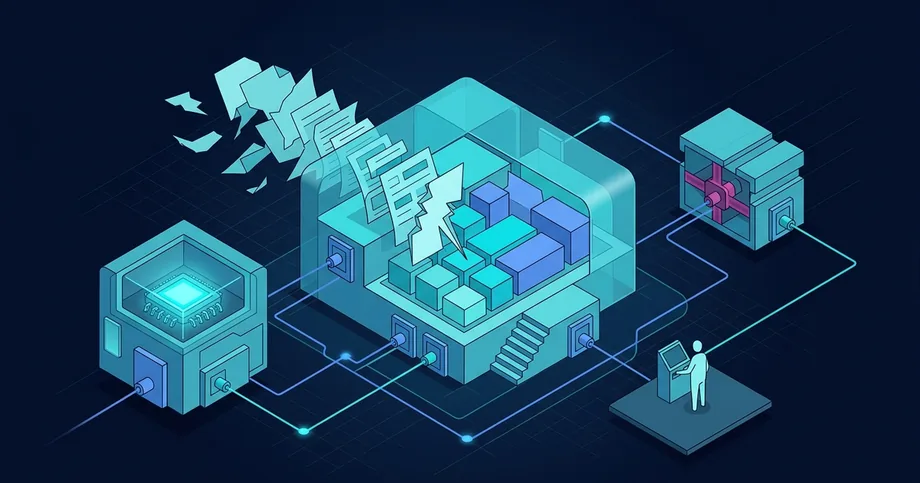
Synchronisation of Mobile Nodes with Central Systems: Key Advantages

The deployment of mobile information solutions in the public sector required ensuring stable and controlled data exchange with central systems. After the stage of creating separate field or geographically distributed nodes, the key task became the formation of a regulated synchronisation model.
In this article, our experts summarised the experience of organising the synchronisation of mobile nodes with central registries, electronic document management systems, and analytical platforms. Architectural approaches, information protection mechanisms, and operational regulations are discussed.
Architectural Interaction Model
In 2016, synchronisation is implemented through integration platforms and API gateways, which ensure standardised data exchange between mobile and central circuits. This approach avoids direct connection of mobile nodes to internal databases.
LLC IQUSION IT implements a model where the mobile node operates in its own segmented environment with local data caching. Information transfer is carried out according to regulated scenarios with verification of the integrity and completeness of packages.
Server clustering in the central circuit ensures scalability for receiving requests from multiple mobile nodes simultaneously, which is especially important when the number of connected departments increases.
Channel Protection and Access Control
Under increased security requirements, synchronisation occurs exclusively via encrypted communication channels. Node and user authentication is carried out in accordance with approved access policies.
IQusion integrates data transfer logging mechanisms and administrator action auditing, which ensures the transparency of the synchronisation process. All operations are recorded in a centralised logging system.
Network segmentation allows isolating mobile nodes from other infrastructure components, minimising the risks of unauthorised impact on central systems.
Regulated Exchange Scenarios
In 2016, synchronisation occurs according to clearly defined scenarios: scheduled exchange at set time intervals or event-driven transfer upon data status change. Regulations specify deadlines, responsible persons, and recovery procedures in case of failures.
LLC IQUSION IT ensures testing of connection recovery scenarios and verification of data consistency after channel restoration. This allows preserving data integrity even in the event of temporary connection loss.
Centralised monitoring of mobile node status allows for prompt detection of synchronisation failures and planning of technical maintenance.
Long-term Operational Model
After the active phase of the conflict and considering the experience of 2014–2015, the synchronisation of mobile solutions is considered a component of strategic digital infrastructure. It is based on architectural discipline and standardised procedures.
IQusion forms a model in which mobile nodes are integrated into a single information circuit while maintaining autonomy and controlled access. Scaling occurs in stages, considering the load and resource capabilities of central systems.
In conclusion, regulated synchronisation of mobile nodes with central systems ensures data exchange stability, maintains the integrity of the information environment, and creates a basis for the further development of distributed public services.